
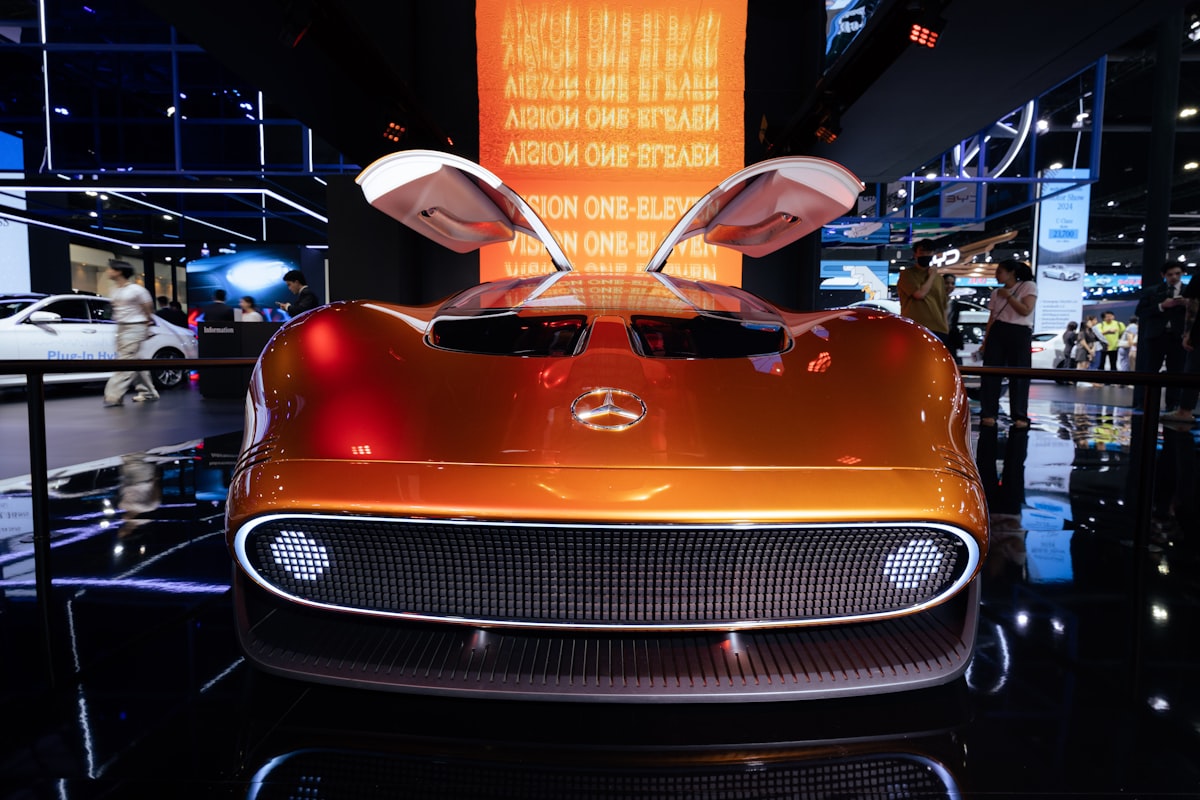
Introduction to the 2026 Hatchback Market
The hatchback segment has seen significant growth and transformation heading into 2026, with manufacturers focusing on blending performance with practicality. Hatchbacks are becoming increasingly popular due to their versatility, fuel efficiency, and compact design, making them a prime choice for urban environments. As consumers prioritize vehicles that can offer both style and functionality, the hatchback market is positioned to thrive.
One major trend influencing hatchback purchases is the rising popularity of hybrid vehicles. With the global automotive industry taking strides towards sustainability, many buyers are leaning towards hybrid options that offer better fuel economy and reduced emissions. This shift is not only driven by environmental concerns but also by government incentives and rising fuel prices, making hybrids like the 2026 Honda Civic Sport Hybrid increasingly appealing.
Consumer trends also reflect a desire for advanced technology integration, safety features, and convenience within vehicles. Buyers are looking for cars that can seamlessly integrate into their lifestyles, enhancing daily commutes while also providing an enjoyable driving experience. As automakers respond to these trends, models like the 2026 Kia K4 GT-Line Turbo and the Honda Civic Sport Hybrid are at the forefront of this evolution.
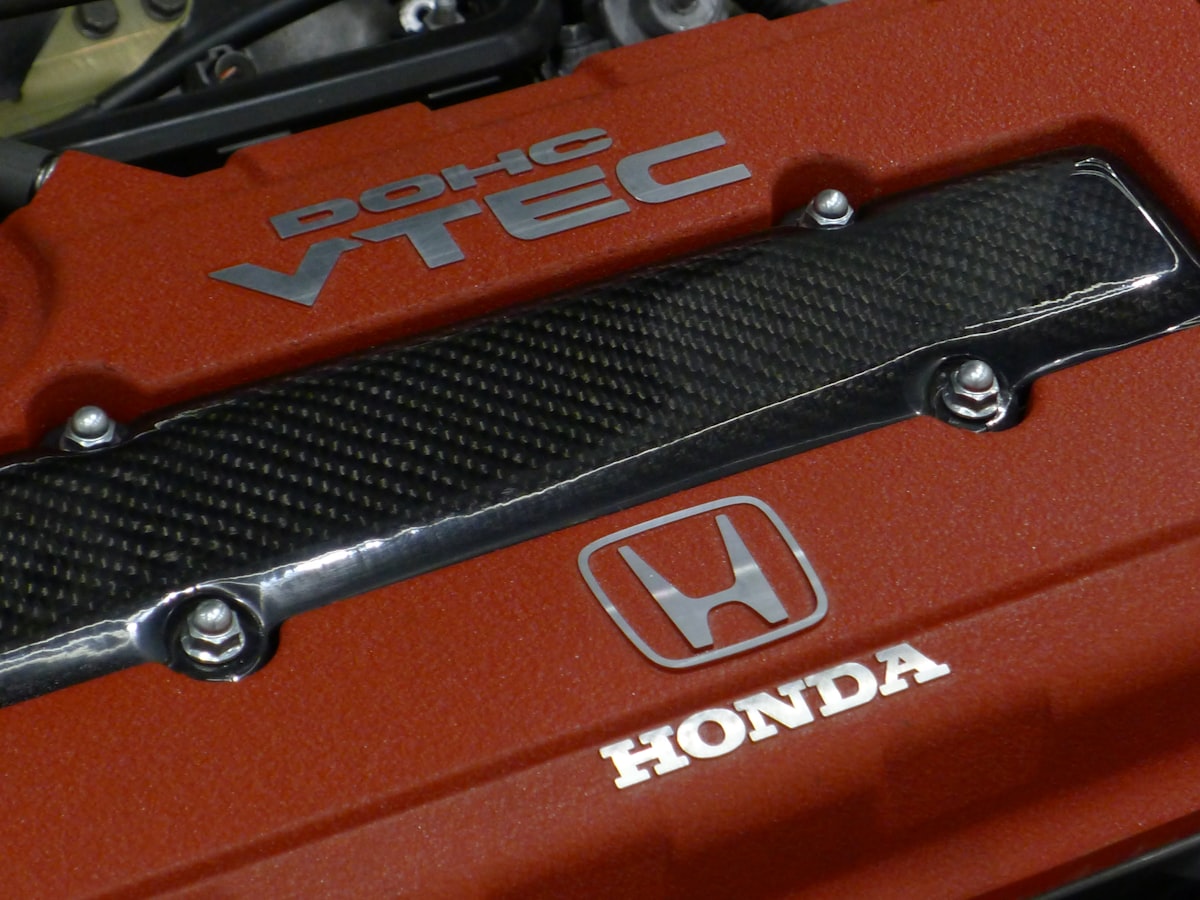
Performance Comparison: Kia K4 GT-Line Turbo vs. Honda Civic Sport Hybrid
When it comes to performance, the 2026 Kia K4 GT-Line Turbo and Honda Civic Sport Hybrid offer distinct experiences that cater to different driving preferences. The Kia K4 GT-Line Turbo boasts a 2.0-liter turbocharged engine that delivers an impressive 250 horsepower and 260 lb-ft of torque. This power output allows for spirited driving and quick acceleration, making it a fun choice for enthusiasts who enjoy a lively ride.
In contrast, the 2026 Honda Civic Sport Hybrid features a 2.0-liter four-cylinder engine paired with an electric motor, producing a combined output of 204 horsepower and 247 lb-ft of torque. While slightly lower in horsepower compared to the Kia, the instant torque from the hybrid system provides a responsive driving experience, especially in urban settings where quick accelerations are often required.
Both models are engineered for handling and performance, but their approaches differ. The K4 GT-Line Turbo is known for its sporty suspension tuning, which enhances cornering capabilities and stability at high speeds. Meanwhile, the Civic Sport Hybrid focuses on providing a balanced ride quality with a smooth, comfortable suspension that absorbs road imperfections effectively.
Fuel efficiency is another key consideration for buyers. The Kia K4 GT-Line Turbo achieves an average of 28 MPG in the city and 35 MPG on the highway, making it a competitive choice for those who prioritize performance without sacrificing too much on fuel economy. On the other hand, the Honda Civic Sport Hybrid excels in this area, offering an impressive 46 MPG in the city and 47 MPG on the highway. This stark difference showcases the hybrid's suitability for eco-conscious consumers looking to save on fuel costs.

Exterior Design: Aesthetic Appeal of the 2026 Models
The exterior design of a vehicle often plays a significant role in its market appeal, and both the 2026 Kia K4 GT-Line Turbo and the Honda Civic Sport Hybrid have striking aesthetics that cater to different tastes. The K4 GT-Line Turbo embodies a sporty, aggressive look with sharp lines, a prominent front grille, and sleek LED headlights. Kia's design philosophy emphasizes a bold presence, making this hatchback stand out on the road with its dynamic silhouette and sporty details.
For the Honda Civic Sport Hybrid, the design approach is a blend of sophistication and modernity. The Civic features a more understated yet elegant appearance, characterized by a flowing roofline, a refined front fascia, and distinctive LED lighting. This model leans towards a more mature, polished look that appeals to a broad demographic of consumers. Both vehicles showcase unique styling elements that reflect their brands' identities and target markets.
Interior Comfort and Technology Features
Stepping inside the Kia K4 GT-Line Turbo, you are greeted with a driver-centric layout that prioritizes comfort and functionality. The interior features high-quality materials, including durable fabrics and soft-touch surfaces. Sporty touches, such as contrast stitching and aluminum accents, enhance the overall aesthetic appeal. The seats are designed to provide ample support, making long drives more comfortable.
On the technological front, the K4 GT-Line Turbo comes equipped with a modern infotainment system that includes a 10.25-inch touchscreen, Apple CarPlay, Android Auto, and a premium audio system. Kia has also integrated numerous connectivity options, ensuring that drivers and passengers stay connected on the go.
In contrast, the Honda Civic Sport Hybrid emphasizes a tech-savvy environment with its intuitive layout and user-friendly interface. The Civic features a 9-inch touchscreen infotainment system, which integrates seamlessly with smartphone apps and offers features like wireless charging and a superior sound system. Honda’s commitment to driver assistance technology is evident in its inclusion of safety and convenience features, enhancing the overall driving experience.
When it comes to cargo space, the Kia K4 GT-Line Turbo offers 25 cubic feet behind the rear seats, while the Honda Civic Sport Hybrid provides slightly more at 26.5 cubic feet. Both models feature split-folding rear seats, allowing for increased cargo flexibility and practicality.
Safety Features: What to Expect in 2026
As consumer safety demands rise, both the Kia K4 GT-Line Turbo and Honda Civic Sport Hybrid deliver impressive safety features that cater to modern expectations. The K4 GT-Line Turbo is equipped with a robust suite of standard safety technologies, including adaptive cruise control, lane-keeping assist, blind-spot monitoring, and automatic emergency braking. Kia's commitment to safety is reflected in its rigorous crash test performance, often earning high safety ratings from organizations like the IIHS and NHTSA.
Similarly, the Honda Civic Sport Hybrid is designed with safety as a priority. It includes Honda Sensing, a comprehensive safety suite that features forward collision warning, road departure mitigation, and traffic sign recognition. These features not only enhance driver awareness but also contribute to a safer driving environment. The Civic also consistently ranks high in safety tests, making it a reliable choice for families and safety-conscious buyers.
In the hatchback market, safety has become a critical factor in purchasing decisions. Consumers are increasingly aware of the importance of having advanced safety features, especially in compact vehicles where visibility and maneuverability can be challenges. Both models are well-equipped to meet these expectations, providing peace of mind for drivers and passengers alike.
Cost Analysis: Pricing and Value Proposition
The price points of the 2026 Kia K4 GT-Line Turbo and Honda Civic Sport Hybrid reflect their respective offerings and target markets. The Kia K4 GT-Line Turbo starts at an attractive base price of around $28,000, with various trims available to enhance features and performance. The pricing structure allows buyers to choose models based on their budget and desired specifications, making it accessible for a wide range of consumers.
On the other hand, the Honda Civic Sport Hybrid is slightly more premium, with a starting price of approximately $30,000. While it comes at a higher price, the additional features, hybrid efficiency, and overall driving experience justify the cost for many buyers. Additionally, the long-term cost of ownership should be considered when evaluating each vehicle. The Civic's superior fuel economy may lead to significant savings on fuel expenses over time.
Insurance, maintenance, and resale value are also critical aspects of the total cost of ownership. The K4 GT-Line Turbo may incur slightly higher insurance rates due to its performance-oriented nature, while the Civic Sport Hybrid’s reputation for reliability often translates into lower maintenance costs and higher resale values. Buyers should evaluate these factors based on their individual circumstances to determine the best value proposition.
Driving Experience: Real-World Performance
User reviews and expert opinions highlight the distinct driving experiences offered by the Kia K4 GT-Line Turbo and Honda Civic Sport Hybrid. Owners of the K4 GT-Line Turbo often praise its spirited driving dynamics, noting its responsive steering and engaging handling. Many drivers appreciate the car’s ability to deliver an exhilarating experience, particularly on winding roads where performance truly shines.
Conversely, the Honda Civic Sport Hybrid is lauded for its smooth and comfortable ride quality. Users frequently mention how well it handles varying road conditions, providing a serene driving experience that’s perfect for daily commutes. The blend of hybrid performance and traditional driving dynamics makes it a versatile choice for those who value comfort alongside efficiency.
In real-world scenarios, performance also plays a crucial role in usability. Buyers often need a vehicle that can comfortably transition from city driving to longer road trips. Both models excel in this regard, though they cater to different preferences: the K4 GT-Line Turbo for those who prioritize excitement, and the Civic Sport Hybrid for those seeking practicality without compromising on fun.
Final Verdict: Which Hatchback Reigns Supreme?
In this comprehensive hatchback comparison, we have explored various critical aspects of the 2026 Kia K4 GT-Line Turbo and Honda Civic Sport Hybrid. Each model brings unique strengths and weaknesses to the table, catering to different consumer needs. The K4 GT-Line Turbo stands out with its performance, sporty design, and engaging driving dynamics, appealing to enthusiasts who prioritize these traits. It’s an excellent choice for those looking for a fun and stylish vehicle without going full performance car.
On the other hand, the Honda Civic Sport Hybrid shines with its fuel efficiency, advanced technology integration, and safety features. It’s an ideal option for eco-conscious consumers and families who value reliability and safety in their daily drives. The long-term cost savings associated with hybrid ownership add to its appeal, making it a smart investment for many.
Ultimately, the choice between these two hatchbacks comes down to personal preference and priorities. For buyers seeking spirited performance and sporty aesthetics, the 2026 Kia K4 GT-Line Turbo may be the perfect fit. However, those focused on hybrid efficiency, advanced technology, and safety features would likely find satisfaction in the 2026 Honda Civic Sport Hybrid.
As the hatchback market continues to evolve, tools and platforms like AiScriba are essential for car sales businesses to manage inquiries and leads effectively, ensuring they can provide top-notch customer service in this competitive landscape. In this way, both models not only represent the future of hatchbacks but also illustrate the importance of adapting to consumer needs in a rapidly changing market.