
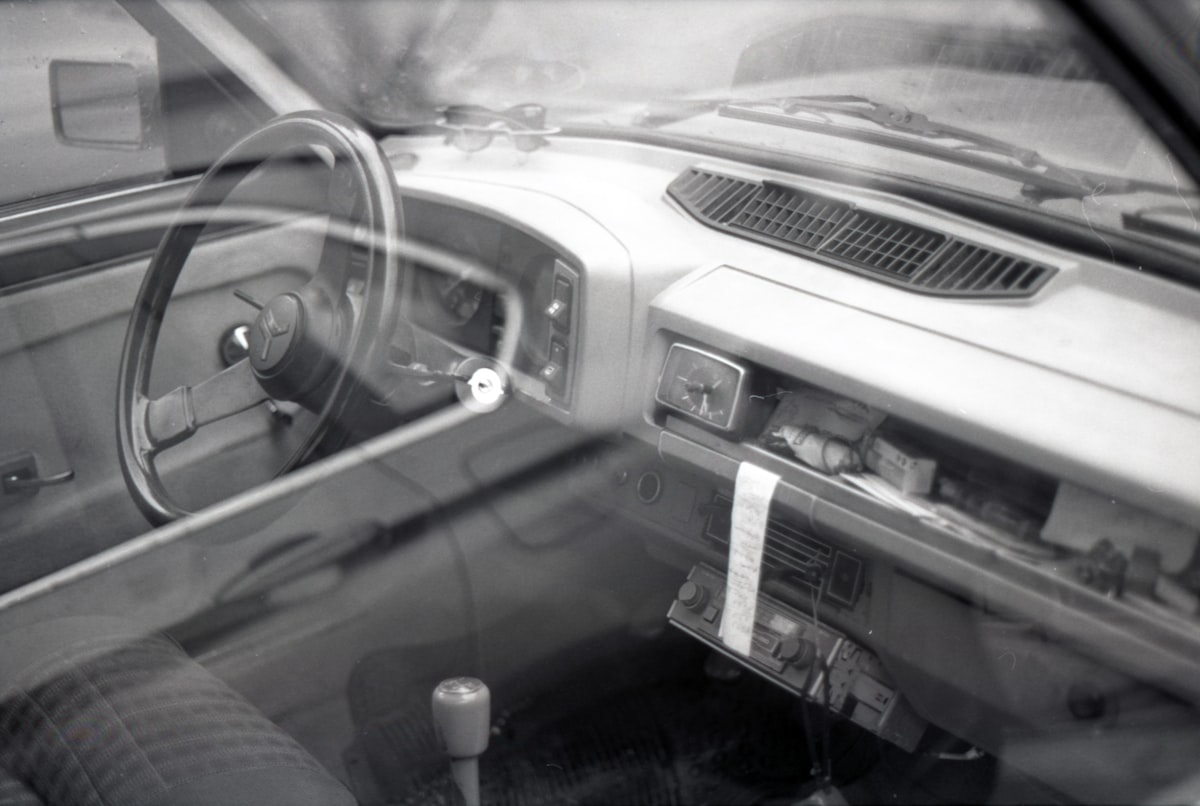
Understanding the Importance of Car Photography
In today’s competitive car sales market, high-quality car photography has become a cornerstone of effective marketing strategies. The significance of captivating vehicle photos cannot be overstated, as they are often the first interaction potential buyers have with a car. A striking image can create an emotional connection, enticing customers to learn more.
Research indicates that visuals play a crucial role in the decision-making process. According to a study by the Visual Capitalist, over 90% of information transmitted to the brain is visual. This statistic underscores how critical it is to have high-quality photography that captures attention. In car sales, where competition is fierce, having superior vehicle photos can mean the difference between a sale and a missed opportunity.
Moreover, the psychological impact of visuals on buyers cannot be ignored. A well-composed image can invoke feelings of desire, luxury, or adventure. For instance, when a customer sees a gleaming new sports car parked against a setting sun, they don’t just see the car—they feel the thrill of driving it. This emotional engagement is essential for closing sales, as it helps buyers envision themselves with the vehicle.
Additionally, effective car photography can enhance your brand's image significantly. A dealership known for high-quality car photos will naturally attract more attention than one with mediocre images. Investing in professional photography not only improves the aesthetic appeal of your listings but also conveys professionalism and trustworthiness, which are essential traits in building customer relationships.
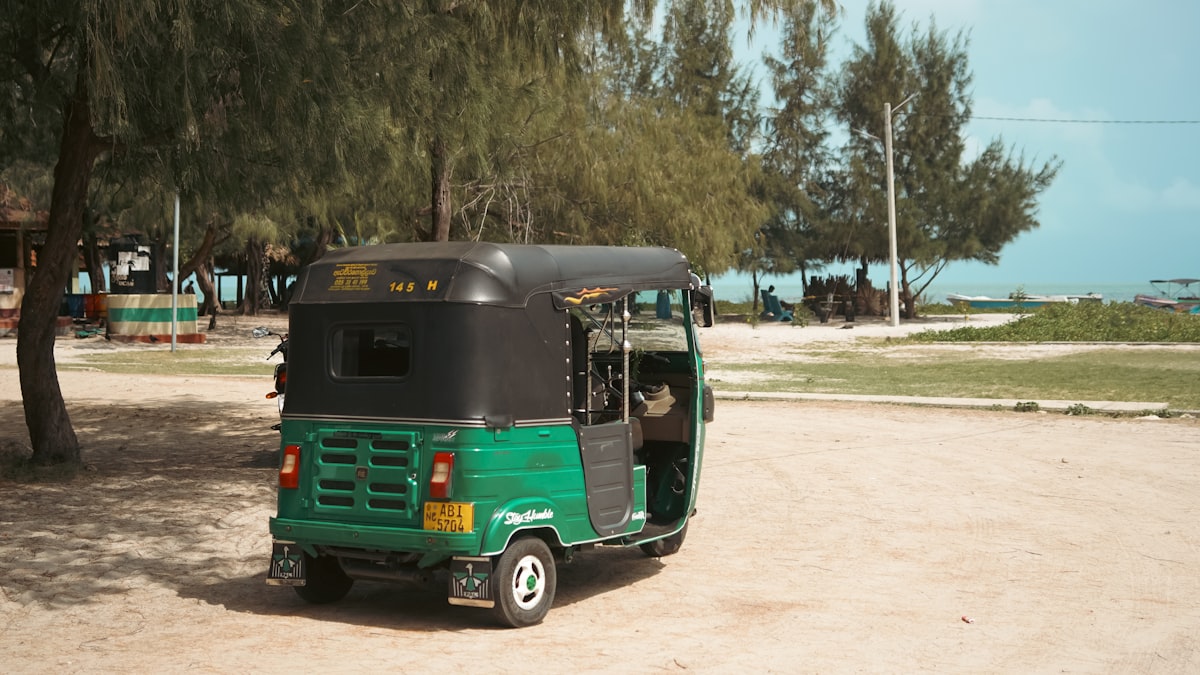
Essential Equipment for Stunning Car Photography
To capture the essence of a vehicle, having the right equipment is essential. While you don’t necessarily need the most expensive gear, certain tools can significantly enhance the quality of your car photography.
First and foremost, choosing the right camera and lenses is crucial. A DSLR or mirrorless camera with a large sensor will provide the best image quality. For car photography, a versatile lens such as a 24-70mm f/2.8 is often recommended. This lens allows you to take wide-angle shots of the entire car while also providing the capability to capture detailed close-ups of unique features.
In addition to a good camera, utilizing tripods and stabilizers can markedly improve the sharpness of your images. Stability is key, especially in low-light scenarios or when capturing long exposures. A tripod allows you to maintain your composition while adjusting settings without worrying about camera shake.
Lighting equipment is another essential component. Natural light is often preferable, but sometimes additional lighting can enhance your photos. Softboxes or reflectors can help diffuse harsh sunlight and fill in shadows, ensuring the car’s features are well-lit without overwhelming glare. If you're shooting indoors, consider using continuous lights or flash to ensure your interior car images are equally stunning.
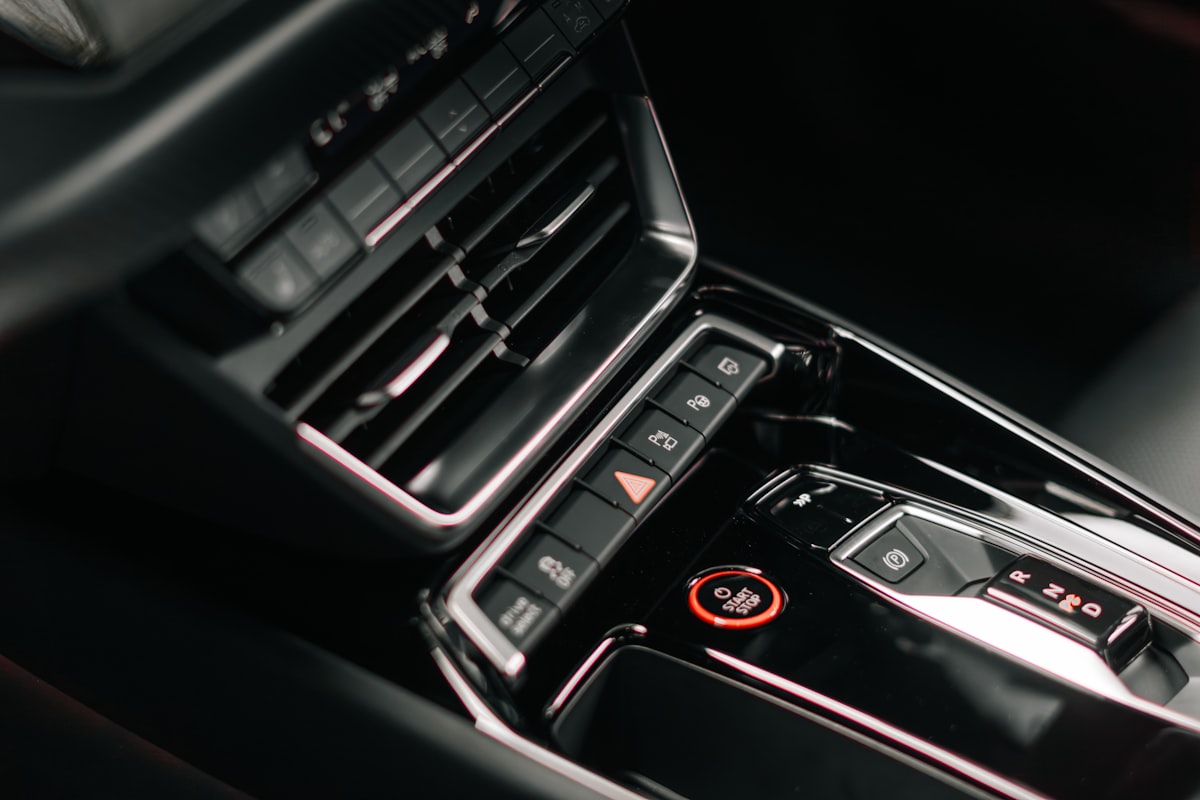
Tips for Capturing Exterior Car Photos
When capturing exterior car shots, the goal is to showcase the vehicle's design and features compellingly. The angles from which you photograph a car can dramatically affect presentation and perception.
Start by exploring various angles to find the most flattering perspective for the vehicle. The three-quarters front angle is often ideal for showcasing the front grille and curves, while a side profile shot can highlight the car’s lines and overall silhouette. Additionally, low-angle shots can impart a sense of power and dominance, particularly with larger vehicles like SUVs or trucks.
Background selection and composition also play a substantial role in the overall appeal of your photos. A cluttered background can detract from the vehicle, so it’s best to choose clean, open spaces. Urban settings with interesting architecture or natural landscapes can provide a complementary backdrop that enhances the vehicle's features. Using the rule of thirds in your composition can help balance the image, creating a more visually appealing final product.
Finally, don’t underestimate the impact of natural light on your exterior car photos. The golden hour—shortly after sunrise or before sunset—provides the softest, most flattering light. During these times, the sun casts long shadows and enhances colors, making your vehicle photos more vibrant. Conversely, shooting in the middle of the day can lead to harsh shadows and blown-out highlights, so timing your shoots is key.
Mastering Interior Car Photography Techniques
While exterior shots often garner the most attention, interior car images are equally important, particularly when it comes to luxury vehicles or those equipped with advanced technology. To capture the essence of a car's interior, focus on key features that showcase its luxury, comfort, and usability.
Begin by identifying which elements are most significant to potential buyers. Features like infotainment systems, stitching on leather seats, or panoramic sunroofs can be enticing selling points. Use a combination of wide shots to capture the entire cabin and close-ups to emphasize intricate details.
Angles and depth of field can also add interest to your interior shots. A wider aperture can help blur the background, drawing attention to specific features. Experimenting with angles can yield unique perspectives—try shooting from the passenger seat or low to the floor to provide a sense of space and luxury.
Managing reflections and lighting inside the car can be tricky, as glass surfaces tend to reflect everything. Using polarizing filters can help reduce glare from windows and enhance color saturation. Additionally, turning off the car's interior lights can minimize unwanted reflections while allowing ambient light to fill the cabin.
Post-Processing Techniques for Car Photos
Post-processing is an essential part of the car photography workflow. Even the best shots can benefit from a little editing to enhance vibrancy and clarity. Basic editing tips for enhancing car images include cropping for better composition, adjusting exposure, and sharpening details to make the vehicle stand out.
Software like Adobe Lightroom or Photoshop provides powerful tools for improving lighting and color balance. Consider adjusting the contrast to add depth and dimension to your images. You can also play with the white balance to ensure the colors are true to life, especially for metallic finishes that can look different under various lighting conditions.
Creating a consistent style across your photo gallery is vital for branding and professionalism. Establish a set of editing presets that you can apply to your images, ensuring a cohesive look that resonates with your dealership's identity. Consistency will help viewers recognize your work and build trust in your brand.
Showcasing Unique Features of Cars Through Photography
Every vehicle has unique features that set it apart from the competition, and effective car photography should highlight these attributes. Whether it’s cutting-edge technology, premium materials, or safety features, showcasing these elements can significantly influence buyer interest.
When photographing unique features, consider how to tell a story through your images. For example, focus on the driver’s seat, with a close-up of the steering wheel and dashboard, to create a narrative about the driving experience. This approach allows buyers to visualize themselves interacting with the vehicle and emphasizes the lifestyle that comes with it.
Creating a visual narrative that connects with buyers means more than just photographing a car—it’s about evoking emotions and aspirations. Consider the target audience and what aspects of the vehicle will resonate most. For instance, highlighting eco-friendly features in electric vehicles like the Mercedes-Benz GLC EV can attract environmentally conscious buyers.
Utilizing Social Media for Car Photography
In today’s digital landscape, social media platforms are indispensable tools for sharing car images and engaging with potential buyers. Selecting the best platforms for sharing your car images is crucial, with Instagram, Facebook, and Pinterest being particularly effective for showcasing visually stunning content.
Instagram, with its emphasis on visuals, is an excellent platform for car photography. High-quality images can attract followers and drive engagement. Posting consistently and utilizing features like Instagram Stories or Reels can further enhance visibility and connect with a larger audience.
Engaging with potential buyers through visuals is key to building relationships and fostering trust. Encourage interaction by asking questions in captions or using polls in Stories to gauge interest in certain models. This engagement not only enhances your visibility but also provides valuable feedback on what your audience finds appealing.
Lastly, creating compelling captions and hashtags can significantly improve your reach. Use relevant hashtags like #CarPhotography, #VehiclePhotos, or model-specific tags, such as #NissanZ or #MercedesBenzGLCEV, to increase discoverability. Captions should evoke interest and excitement while providing essential information about the vehicle being showcased.
Case Studies: Successful Car Photography Examples
To better understand the impact of effective car photography, let’s analyze a couple of successful campaigns that utilized high-quality images to drive sales. The launch of the 2027 Mercedes-Benz GLC EV showcased stunning car photography that highlighted the vehicle’s sleek design and innovative technology. Professional images captured the car in dynamic poses, set against breathtaking backdrops, enhancing its appeal.
The campaign successfully created a buzz around the vehicle, leveraging social media platforms to share these captivating visuals. The combination of compelling photography and targeted marketing significantly boosted engagement and interest in the model, ultimately leading to higher sales numbers.
Additionally, the launch of the Nissan Z was another prime example of the importance of professional photography. The marketing campaign utilized a series of high-quality images and videos that showcased the car's performance capabilities, design features, and heritage. By highlighting the excitement and thrill associated with the Nissan Z, the photography played a significant role in capturing the attention of performance enthusiasts.
These examples demonstrate that investing in professional car photography can lead to substantial returns. By showcasing vehicles effectively and utilizing modern tools for engagement, dealerships can enhance their brand and drive sales.
In conclusion, car photography is more than just a means to display vehicles; it’s a powerful marketing tool that, when executed well, can significantly impact a dealership's success. Incorporating advanced technological tools, like AiScriba, to manage inquiries and streamline communications can further enhance a dealership’s operation, ensuring that no lead goes unanswered. By focusing on quality photography, understanding the nuances of car features, and effectively utilizing social media, car sales businesses can position themselves for success in a competitive marketplace.